
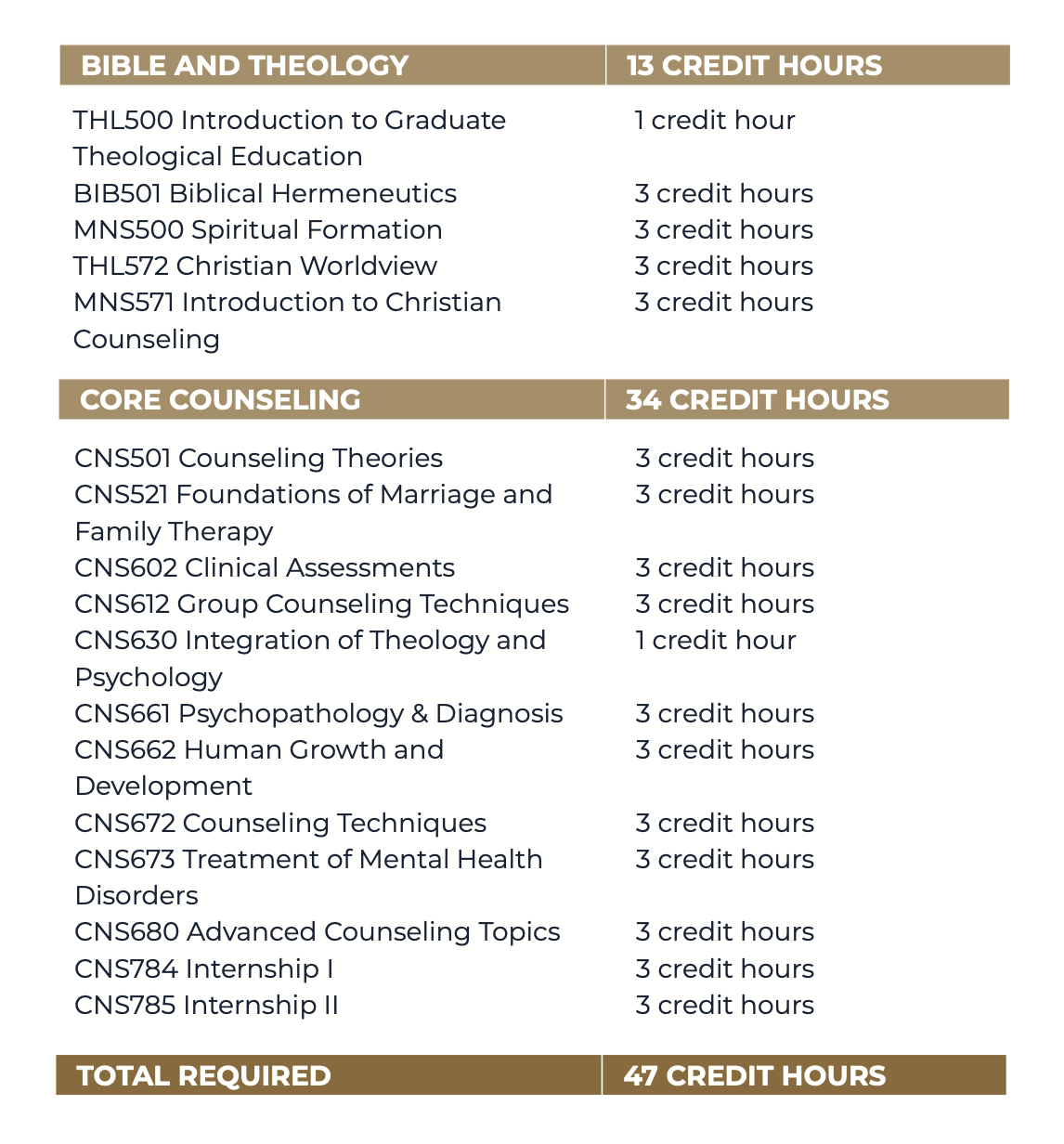
The Master of Arts in Counseling program is designed to equip students with the knowledge and skills required to excel in the field of counseling. By integrating cutting-edge social science insights alongside timeless Christian truths, this 47-credit-hour program provides a robust clinical and theological education. Students will be empowered to become ethical, competent, and compassionate counselors, well-prepared to serve diverse populations in Asia and beyond.
Degree Requirements:
- Evidence of commitment to Christ and moral character and conduct.
- Completion of 47 credit hours of work with at least a 2.7 grade point average. A maximum of 18 applicable hours taken from an accredited institution within the last 10 years may be transferred into the MAC degree program.
- Receive at least 20 hours of individual therapy and obtain a therapist endorsement score of at least 3.0 (see Policy on Student Participation in Personal Therapy for more information).
- Demonstrate clinical competency and personal maturity by passing regular performative evaluations throughout the program as assessed in the Student Competency Portfolio. To graduate, students must finish with an average cumulative competency score of at least 3.0 with no individual category scores of 1. Students who fail to obtain such scores, will be provided additional training(s) and an opportunity to reach a satisfactory score. Failure to meet these standards may result in withdrawal from the program.
- Completion of all degree requirements within five years.
This program is accredited through Cornerstone University, Grand Rapids, MI (USA).
Course List
Learning Outcomes
Counseling Competence
Demonstrate proficiency in applying evidence-based counseling techniques across diverse populations.
Personal and Professional Growth
Understand the value of reflective practice by demonstrating self-awareness and commitment to ongoing personal development.

Effective Communication
Develop strong interpersonal communication skills to facilitate therapeutic relationships.
Ethical Practice
Adhere to the highest ethical standards in the counseling profession.
Integration of Faith and Counseling
Integrate Christian principles into contemporary counseling practice without compromising respect for diverse belief systems.
Program Highlights
Integrative Curriculum
Our program uniquely blends the latest research and practices from the biopsychosocial perspective with a solid foundation in Christian principles. Students will be exposed to contemporary counseling techniques, therapeutic approaches, and theoretical frameworks, all within the framework of Christian ethics and values.
Clinical Competence
Through a combination of coursework, supervised practicum experiences, and internship placements, students will develop the essential clinical skills necessary to work with individuals, families, and communities in various counseling settings. These settings may include churches, schools, healthcare institutions, and non-profit organizations.
Theological and Biblical Foundation
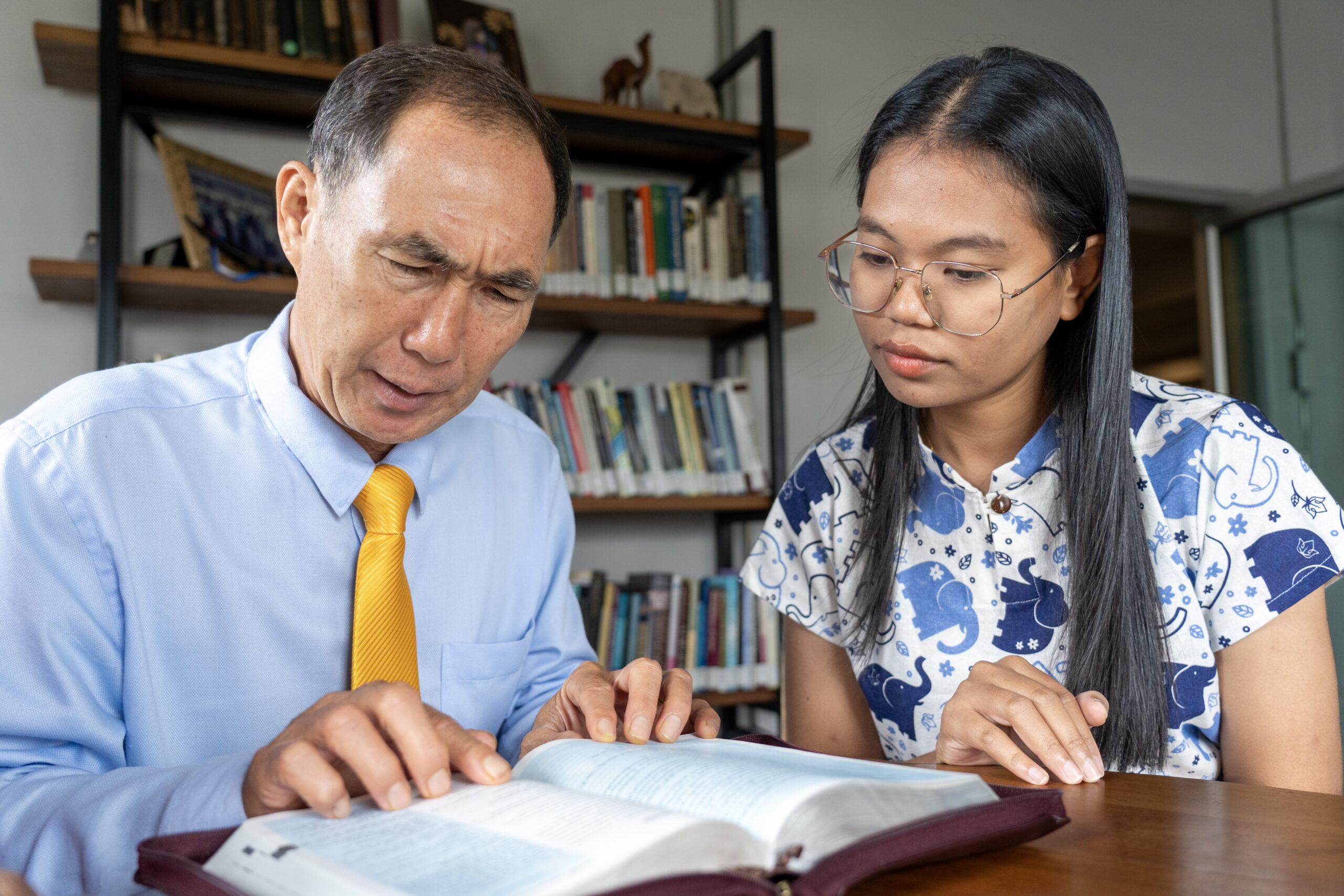
In addition to the clinical coursework, students will engage in rigorous theological and biblical studies. By deepening their understanding of the Christian faith they will be better equipped to address the spiritual dimension of human well-being.
Diversity within the Educational Experience
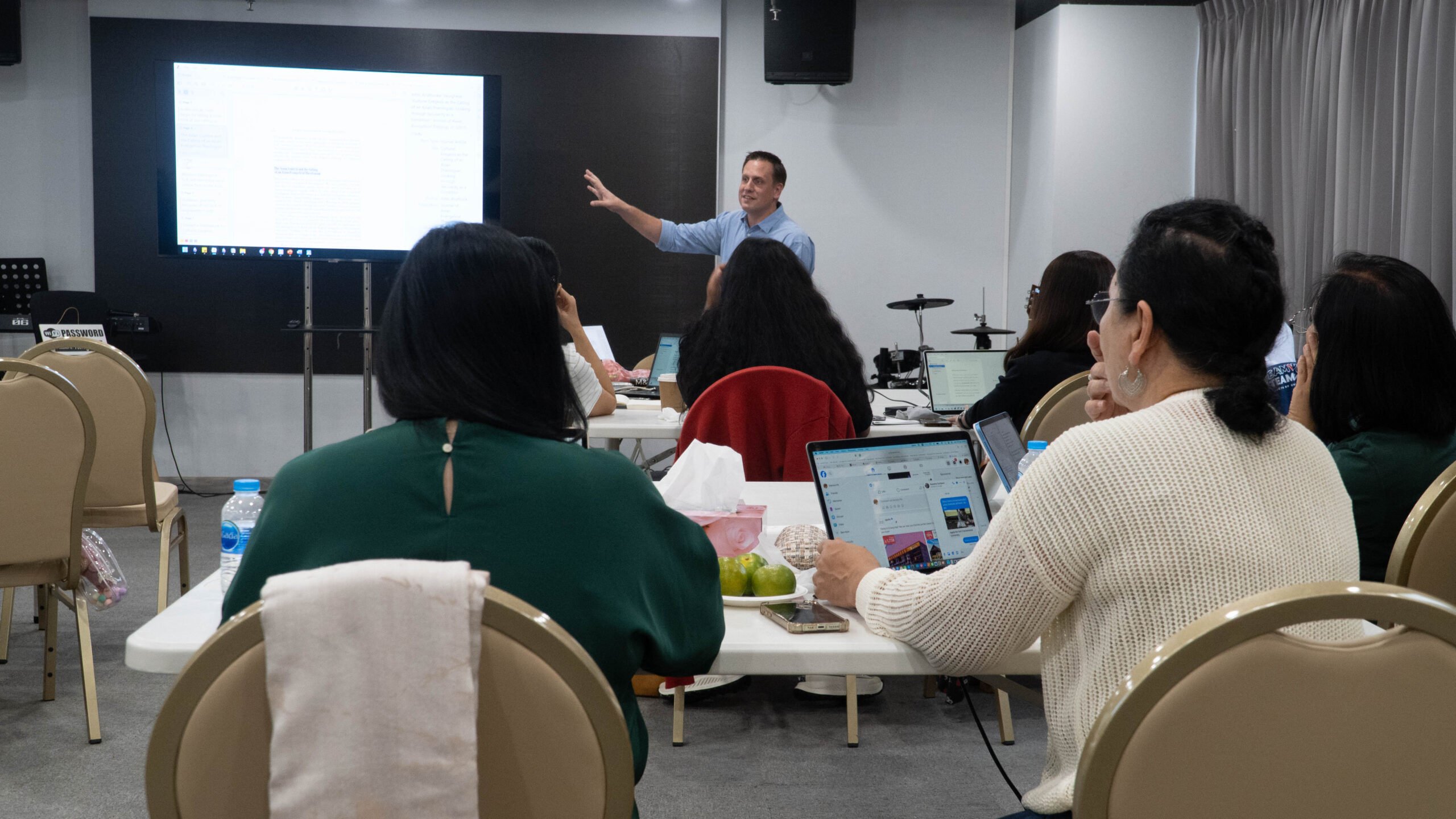
With an East meets West model of education, students will be challenged with ideas and concepts stemming from a variety of cultural perspectives. Students will be exposed to professors and thinking from a global perspective without leaving their eastern context or assuming universal cultural applicability.
Personal Growth and Reflection
Counseling is a deeply personal field, and self-awareness is key. Through reflection, supervision, and personal growth opportunities, students will gain insights into their own beliefs, biases, and values, allowing them to provide empathetic and non-judgmental care.
Ethical and Professional Standards
The program emphasizes the importance of ethical conduct and adherence to professional standards in the counseling field. Students will be well-versed in relevant ethical guidelines and practice.
Flexible Learning Environment
We offer a flexible learning environment that allows students to balance their studies with their personal and professional commitments. By offering courses in a hybrid and online format, the majority of students can complete the program without missing work or leaving their home community.
Broad Career Opportunities
Graduates of the Master of Arts in Counseling program will be prepared to pursue a wide range of counseling careers, including: Christian/Pastoral Counselor, Church Ministry, Clinical Counselor*, Marriage and Family Therapist*, School Counselor*, Social Worker*, Teacher, Community Health Worker, Management
* Licensure requirements are different in each country. Please check with your local licensing body to ensure this program would qualify before enrolling. Additional courses for those wishing to pursue USA state licensure may also be available online through our partner school, Cornerstone University.
FAQ's
No, a background in psychology is not required. Those with a psychological degree are welcome to apply, but it is not a requirement for admission.
Our program integrates both theological and psychological principles.
We believe that God’s Word is inspired and useful for teaching, correcting, and training (2 Timothy 3:16). We also believe that God reveals truth to humanity through general revelation (Romans 1). This includes insights from clinical psychology.
In short, we are a clinical Christian counseling program.
Our curriculum includes courses in spiritual formation, theology, and the intentional integration of faith and counseling. At the same time, our clinical courses are scientifically rigorous and informed by established counseling standards.
As such, our program is not designed for those seeking a purely biblical counseling model or those desiring a purely clinical approach. Instead, we seek to leverage the insights of both special and general revelation to offer a robust and holistic approach to caring for people.
ABTS operates in many countries, and licensure requirements vary by location and can change over time. As such, we cannot guarantee the program will meet the licensure requirements in your country. It is your responsibility to confirm this before enrolling.
That said, our clinical courses are informed by CACREP standards (U.S. licensure standards) and are designed to be consistent with the standards of many countries.
Additionally, for those wishing to pursue licensure outside of Asia, a path to licensure in the United States may be available. This will require additional coursework completed online through our partner school or another accredited institution. Please contact us for further details.
Yes, the MAC is designed to allow you to continue working while you study.
To accomplish this, your classes will be conducted fully online or in a hybrid format. Hybrid courses include an online component alongside one week (20 hours) of face-to-face class time.
Unfortunately, no.
This degree is offered in a cohort model, which means courses are taken as a group. Once the group has completed a course, it might be a long time before that course is offered again. Because of this, students cannot join a cohort after it has begun.
Your studies at ABTS should require approximately 10-12 hours of work per week. This may vary slightly by week and person but overall should be accurate.
As this master’s program is accredited in the United States, all courses are taught in English.
As many of our students are ESL learners, our language requirements are slightly lower than many U.S. accredited institutions.
We offer a free English exam for those who have not previously taken a recognized test. For those who have previously taken a recognized examination, we typically require students to achieve a B2 level or better.
This language test requirement is waived for graduates of an undergraduate or graduate program taught in English.
This is one of the truly unique components of our program. Our school is accredited in the United States and has numerous Western faculty members. At the same time, most of our students are Asian and many of our faculty have significant experience living and working in Asia.
As a result, we combine the strengths of both Eastern and Western academic training and cultural understanding. This helps create a program that is both academically rigorous and culturally relevant.
The cohort model for this program makes finding replacement courses difficult. However, we understand that life situations cannot always be controlled.
Students in the MAC program are allowed to miss or fail one course.
In extenuating circumstances, we may make allowances for further absences, but this will be rare and approved only on a case-by-case basis and when replacement classes are available.
Yes, the MAC program allows you to transfer in a portion of your previous studies.
If you graduated from ABTS, several of the MRE/MA courses can also be counted for the MAC degree. For specific details, see our transfer credit policy under “Academics”.
For those who have studied at a different accredited institution, transfer credit is also available according to the policy above.